

Care Guide of Precious Metals
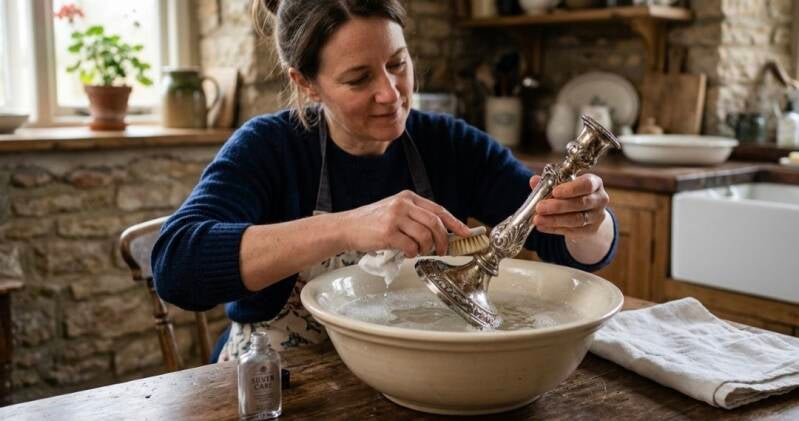
Care and Cleaning of Silver
Silver items, such as cutlery, jewellery, and decorative pieces, require proper care and cleaning to maintain their natural shine and beauty. Over time, silver can tarnish due to exposure to air, moisture, and various substances. To keep your silver looking its best, follow these simple care tips.
Regular Cleaning
It’s advisable to clean silver items regularly to prevent the buildup of tarnish. Use a soft cloth or a silver polishing cloth to gently buff the surface. For heavier tarnish, you can use a mild silver cleaner, but always follow the manufacturer’s instructions.
Soaking and Rinsing
If your silver is heavily tarnished, consider soaking it in a warm, soapy solution. Use a mild dish soap and lukewarm water. Soak the item for a few minutes, then gently scrub with a soft brush or cloth. Rinse thoroughly under warm water to remove all soap residue, and dry immediately with a soft towel.
Storage Tips
Proper storage of silver can significantly reduce tarnish. Store silver items in a cool, dry place, ideally wrapped in acid-free tissue paper or in anti-tarnish pouches. Avoid storing silver in wooden chests, as the wood may contain chemicals that can accelerate tarnishing.
Avoiding Damage
To minimise damage to silver items, avoid using abrasive cleaners or scrubbers, as these can scratch the surface. Additionally, keep silver away from high-sulphur products, including eggs, onions, and rubber bands, as these can speed up tarnishing.
When to Seek Professional Help
If your silver items are particularly valuable or have intricate details, consider seeking professional cleaning services. Professionals have access to specialised tools and methods that can safely restore the shine without damaging the item.
Conclusion
With regular care and appropriate cleaning methods, you can ensure your silver remains lustrous and beautiful for generations. By following these practical tips, you’ll enjoy the charm and elegance of your silver pieces without the worry of tarnish ruining their appearance.

Care & Cleaning of Brass
Brass is a popular alloy composed primarily of copper and zinc, prized for its attractive appearance and durability. However, over time, brass can tarnish and lose its shine due to oxidation and exposure to moisture and air. Maintaining the beauty of brass requires regular care and cleaning. Here are some straightforward steps to ensure your brass items remain in pristine condition.
Regular Dusting
Begin by regularly dusting your brass items with a soft, dry cloth to remove any surface dirt and prevent the buildup of tarnish. Avoid using abrasive pads or cloths, as these can scratch the brass surface.
Washing Brass Items
If your brass objects appear particularly dirty or tarnished, washing them is essential. Use warm water mixed with a mild dish soap. Soak a soft cloth in this solution, wring it out, and gently wipe the brass. After cleaning, rinse the item thoroughly with clean water and dry it with a soft towel to prevent water spots.
Removing Tarnish
For tarnished brass, you can create a simple homemade cleaner. Mix equal parts of vinegar and water, or use lemon juice with baking soda to form a paste. Apply this mixture to the tarnished areas with a soft cloth, gently rubbing it in. Allow it to sit for a few minutes before rinsing with warm water and drying thoroughly.
Polishing Brass
To restore the shine of your brass items, consider using a commercial brass polish. Follow the manufacturer's instructions for application. Alternatively, you can use a mixture of olive oil and vinegar for a natural polish. Apply it with a soft cloth, then buff the brass to achieve a brilliant shine. Remember to polish only when necessary, as excessive polishing can wear down the brass surface over time.
Protecting Brass
After cleaning and polishing, it's wise to apply a thin coat of wax or lacquer to your brass items. This creates a protective barrier against moisture and air, helping to prevent tarnishing. If you choose to lacquer, ensure the brass is clean and completely dry before application for the best results.
Storage Tips
When storing brass items, keep them in a dry, cool environment away from direct sunlight. Use anti-tarnish cloths or bags to further protect them. Avoid storing brass in damp areas, as moisture can accelerate tarnishing.
Conclusion
By following these simple care and cleaning tips, you can maintain the beauty and functionality of your brass items for years to come. Regular dusting, proper cleaning techniques, and protective measures will ensure your brass retains its shine and elegance.

Care & Cleaning of Gold
Gold is a beautiful and timeless metal that deserves proper care and cleaning to maintain its shine and luster. Whether you own gold jewellery, coins, or decorative items, the right maintenance can keep them looking their best. Here are some straightforward tips to help you care for and clean your gold items effectively:
Regular Care
- Avoid Harsh Chemicals: Keep your gold away from harsh cleaning chemicals, chlorine, and abrasive materials that can cause damage.
- Store Properly: When not wearing or displaying your gold items, store them in a soft cloth pouch or a separate compartment in a jewellery box to prevent scratches.
- Limit Exposure: Remove your gold jewellery before swimming, exercising, or performing tasks that may expose it to dirt or damage.
Cleaning Gold Items
To clean your gold items, follow these simple steps:
- Prepare a Mild Soap Solution: Mix a few drops of mild dish soap with warm water in a bowl.
- Soak: Place your gold items in the solution and let them soak for about 15 minutes. This will help loosen dirt and grime.
- Gently Clean: Use a soft-bristled toothbrush to gently scrub the gold, especially in intricate designs or settings. Be cautious not to scratch the surface.
- Rinse: Rinse your gold items under lukewarm water thoroughly to remove any soap residue.
- Dry: Pat the items dry with a soft, lint-free cloth. Ensure they are completely dry before storing them again.
Professional Cleaning
If your gold items are heavily tarnished or intricately designed, consider taking them to a professional jeweller for cleaning. They will have the right tools and expertise to clean your gold safely and effectively.
Conclusion
With proper care and cleaning, your gold items can maintain their beauty for years to come. Make it a habit to regularly check and clean your gold jewellery and pieces to ensure they remain as stunning as the day you acquired

Care & Cleaning of Pewter
Pewter is a malleable metal alloy, typically composed of tin, with small amounts of other metals like copper, antimony, or bismuth. Its low melting point and attractive finish make it a popular choice for a variety of decorative items and functional ware. To maintain the beauty and longevity of your pewter pieces, it’s essential to follow proper care and cleaning practices.
Routine Care
To keep your pewter looking its best, it’s important to handle it with care. Always avoid exposing pewter to extreme heat, as high temperatures can cause warping or damage. Store your pewter items in a cool, dry place, preferably wrapped in acid-free tissue paper to prevent scratches. When displaying pewter, keep it away from direct sunlight, as prolonged exposure can dull its finish.
Cleaning Pewter
When it comes to cleaning, opt for a gentle approach to avoid abrasion. Wash your pewter pieces with warm, soapy water using a soft sponge or cloth. Rinse thoroughly, ensuring all soap residues are removed, and then dry with a soft towel. Avoid using harsh chemicals, bleach, or abrasive cleaners, as these can damage the surface.
Removing Tarnish
If your pewter starts to tarnish, don’t worry—it’s a natural process. To restore its shine, create a paste using baking soda and water. Apply the paste with a soft cloth, gently rubbing in a circular motion. Rinse thoroughly and dry again with a soft towel. For more stubborn tarnish, you may consider polishing with a specially formulated pewter polish, following the manufacturer’s instructions carefully.
Additional Tips
For items that see frequent use, such as tableware, it's a good idea to clean them regularly to avoid the build-up of tarnish. If you have pieces that you’d prefer not to clean too often, consider using a protective coating. A light layer of food-grade mineral oil can help prevent tarnishing while also adding a subtle sheen.
Final Thoughts
By following these simple care and cleaning guidelines, you can enjoy the beauty and craftsmanship of your pewter items for many years to come. Remember, the key to maintaining pewter is to avoid harsh treatments, keep it dry, and handle it with love. Your attention to care will ensure that your pewter retains its intrinsic charm and remains a treasured part of your collection.

Care & Cleaning of Copper
Copper is a beautiful and versatile metal that can add a warm, rustic charm to any home. However, to maintain its appeal, it requires proper care and cleaning. Over time, copper items can develop a patina, which is often a natural protective layer. While some people appreciate this aged look, others may prefer their copper to retain its original shine. Here are some straightforward tips for caring for and cleaning copper items.
Regular Maintenance
To keep your copper looking its best, regular maintenance is essential. After each use, especially for cookware, wash the surface with warm soapy water. Avoid abrasive sponges that could scratch the surface. Instead, use a soft cloth or sponge to gently cleanse the copper. Immediately dry with a soft towel to prevent water spots and tarnishing.
Removing Tarnish
If your copper has tarnished, you can restore its shine using a few simple household items. One effective method involves making a paste from equal parts salt and vinegar or lemon juice. Apply this mixture to the tarnished areas, using a soft cloth to rub gently. Allow it to sit for a few minutes before rinsing with warm water. Make sure to dry thoroughly afterwards to maintain that gleaming finish.
Using Commercial Cleaners
If you prefer a store-bought solution, there are various commercial copper cleaners available. Always follow the manufacturer's instructions for application and ensure the cleaner is suitable for the specific type of copper item you have. Good ventilation is key when using chemical cleaners, so make sure to work in an area with sufficient airflow.
Avoiding Corrosion
To prevent your copper from corroding, it’s vital to keep it away from moisture and humidity. Store copper items in a dry area, and, if possible, use a protective coating or wax that can minimise exposure to air and moisture. Avoid using copper with acidic or salty foods; these can lead to accelerated tarnishing and potential damage to the metal.
Long-term Care
For long-term care, consider applying a thin layer of mineral oil to your copper items. This not only enhances the shine but also provides a protective barrier against tarnishing. Remember that while copper is a durable metal, it still requires attention. With these tips, you can enjoy the beauty of your copper items for years to come.