Why Buy Vintage?
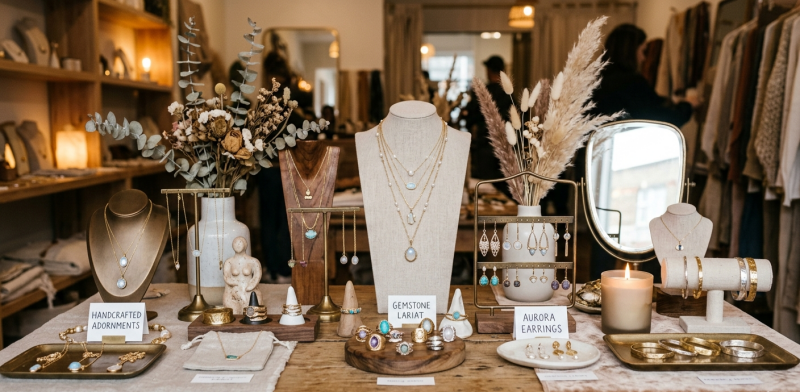
Buying vintage items has become increasingly popular, and for good reason. Vintage products often offer a unique charm and character that modern items simply can’t replicate. Each vintage piece tells a story, reflecting the style and craftsmanship of its era. Furthermore, purchasing vintage is a sustainable choice, as it promotes recycling and reduces waste. By opting for second-hand goods, you help minimise the demand for new production, which can be harmful to the environment. Additionally, vintage shopping can be a treasure hunt, where you might discover rare finds that add a distinct touch to your wardrobe or home. Not to mention, vintage items can often be more affordable than their contemporary counterparts, allowing you to own high-quality pieces at reasonable prices. Ultimately, buying vintage supports creativity, sustainability, and individuality in a world increasingly dominated by mass production.
Lets take a look at the beautiful styles and elegance of past eras & decades
The Tudor Era
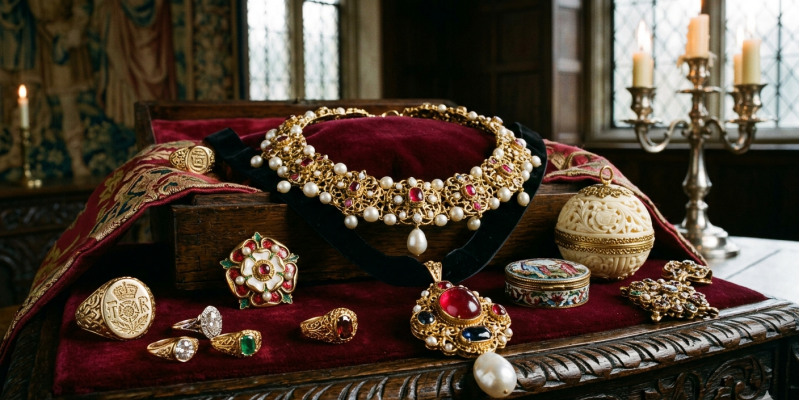
The Tudor era, spanning from 1485 to 1603, was a remarkable period in English history characterised by significant cultural, political, and artistic changes. This era is often celebrated for its distinctive beauty and style, which were influenced by the reigns of notable monarchs such as Henry VIII and Elizabeth I. The fashion of the time was extravagant, with rich fabrics, intricate embroidery, and bold colours dominating the wardrobes of the nobility. Men wore doublets and hose, often adorned with slashes and ruffles, while women flaunted elaborate gowns with wide sleeves and high necklines, showcasing their status and wealth.
Jewellery also played a vital role in Tudor fashion, with pieces made from gold, silver, and precious stones that highlighted the wearer's affluence. Accessories such as ruffs—stiff, pleated collars—became a hallmark of elegance, framing the face and adding an air of sophistication. The beauty standards of the time emphasised pale skin, which was often achieved through the use of lead-based cosmetics, despite the health risks involved. This pursuit of beauty extended to hairstyles, with women often sporting intricate braids and elaborate headdresses, while men kept their hair short and neatly styled.
The Georgian Style & Grace
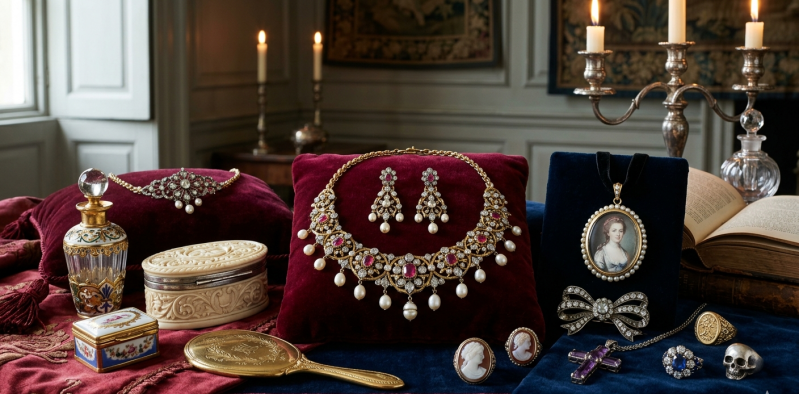
The Georgian style of jewellery and ornaments, prevalent from 1714 to 1830, reflects the elegance and craftsmanship of its time. Characterised by intricate designs and the use of high-quality materials, Georgian jewellery often features motifs inspired by nature, such as flowers, leaves, and animals. Common materials include gold, silver, and gemstones like diamonds, garnets, and pearls. One of the defining characteristics of this era is the use of techniques such as enamel work and the setting of stones in a way that enhances their natural beauty. Georgian pieces are often distinguished by their romantic and sentimental themes, with many items designed to convey personal messages or commemorate special occasions. Brooches, rings, and necklaces from this period are highly sought after by collectors today, showcasing the timeless appeal of Georgian craftsmanship. The jewellery not only serves as adornment but also tells a story, reflecting the social status and personal tastes of the wearer. Overall, the Georgian style remains a significant influence in the world of jewellery design, celebrated for its artistry and historical significance.
Edwardian fashion
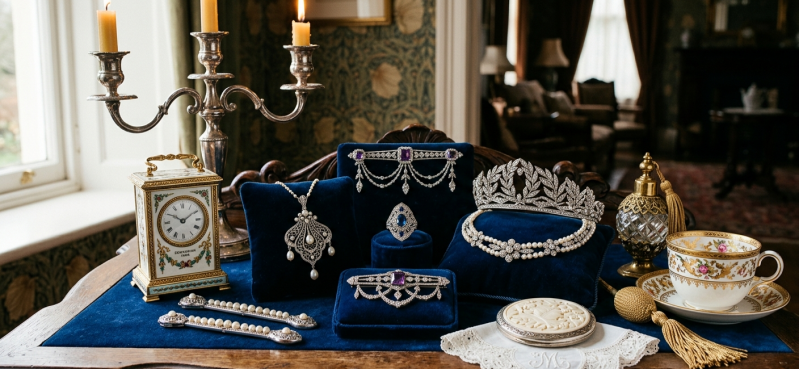
Edwardian jewellery and ornaments, named after King Edward VII, who reigned from 1901 to 1910, represent a distinct style that emerged in the early 20th century. This period is characterised by elegance and sophistication, reflecting the social changes and advancements of the time. The jewellery from this era often features intricate designs, delicate craftsmanship, and a blend of various materials, including platinum, gold, diamonds, and coloured gemstones.
One of the hallmark characteristics of Edwardian jewellery is the use of platinum, which became popular due to its strength and ability to hold intricate designs. This metal allowed jewellers to create filigree work, where delicate lace-like patterns were formed, showcasing the skill of the artisans. Diamonds were the gemstone of choice during this period, often used in settings that maximised their brilliance. Old European cut diamonds were particularly favoured, as they offered a unique sparkle that complemented the elaborate designs.
In addition to diamonds, coloured gemstones such as emeralds, sapphires, and rubies were also popular, often used as centrepieces in brooches and rings. The use of paste and cubic zirconia allowed for more affordable pieces that mimicked the look of genuine gemstones, making stylish jewellery accessible to a broader audience.
Edwardian ornaments extended beyond jewellery, with decorative pieces such as hair combs, brooches, and lockets being commonly worn. These items were not just accessories but also served as sentimental keepsakes, often engraved with initials or adorned with photographs of loved ones. Choker necklaces and bracelets became fashionable, often layered with other pieces to create a more opulent look.
The Opulent Victorians
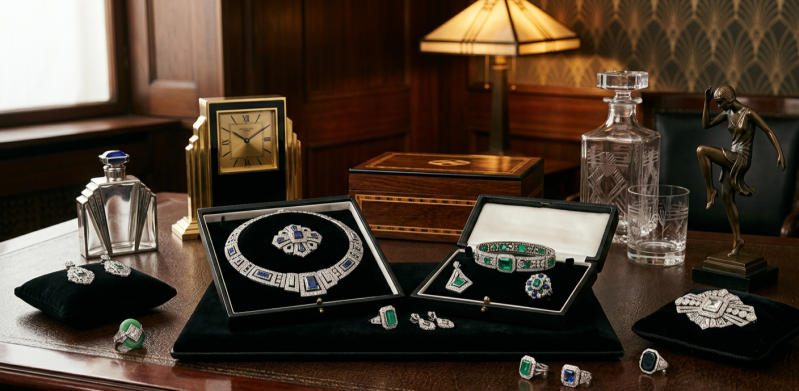
Victorian jewellery and ornaments reflect the rich history and intricate craftsmanship of the Victorian era, which spanned from 1837 to 1901 during Queen Victoria's reign. This period is renowned for its distinctive styles that embraced both elegance and sentimentality. The jewellery often featured intricate designs, including floral motifs, hearts, and cameos, which were popular symbols of love and remembrance. Common materials used included gold, silver, and gemstones such as diamonds, rubies, and emeralds, often set in elaborate settings that showcased the artisan's skill.
During the Victorian era, jewellery was not merely decorative; it also served as a means of expression and communication. The rise of sentimental jewellery, such as lockets and rings inscribed with meaningful messages, allowed individuals to convey their feelings and connections to loved ones. Additionally, the use of mourning jewellery became prevalent, with pieces crafted from materials like jet and onyx to commemorate the deceased.
Victorian ornaments extended beyond jewellery, encompassing a wide range of decorative items. These included brooches, bracelets, earrings, and necklaces, each designed with meticulous attention to detail. The craftsmanship of the time was characterised by a fusion of styles, incorporating influences from Gothic, Renaissance, and even Eastern designs, which contributed to the era's unique aesthetic.
Collecting Victorian jewellery and ornaments has become a popular pursuit for enthusiasts and historians alike. Many pieces are now considered antiques, valued not only for their beauty but also for their historical significance. When purchasing Victorian jewellery, it is essential to look for hallmarks and signatures that can authenticate the piece and provide insight into its origin.
In summary, Victorian jewellery and ornaments are a fascinating reflection of a bygone era, encapsulating the artistry and emotional depth of the time. Their enduring appeal continues to inspire modern designs, making them timeless treasures that connect us to the past.
1960s Kiss The Rainbow
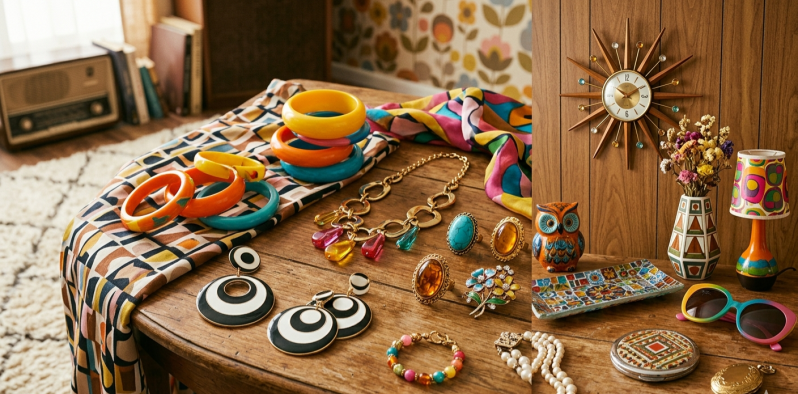
1960s Jewellery and Ornaments
The 1960s was a vibrant decade marked by significant cultural shifts and a bold approach to fashion, which extended to jewellery and ornaments. This era saw a departure from the more traditional styles of previous decades, embracing a more eclectic and expressive aesthetic. Statement pieces became popular, with oversized earrings, chunky bracelets, and bold necklaces dominating the scene. Materials varied widely, from brightly coloured plastics and acrylics to metals and natural stones, reflecting the playful spirit of the time.
One of the defining trends of 1960s jewellery was the use of geometric shapes and patterns, inspired by the modernist art movement and the rise of pop culture. Designers like Paco Rabanne and André Courrèges created innovative pieces that were not only fashionable but also artistic. The influence of the counterculture movement also played a significant role, leading to the popularity of handmade and artisan jewellery, often featuring peace symbols, flowers, and other motifs associated with the era's social changes.
Costume jewellery gained immense popularity, allowing individuals to experiment with their style without breaking the bank. Many women adorned themselves with bold, colourful pieces that complemented their outfits, often layering multiple necklaces and bracelets for a more dramatic effect. The mod fashion movement, characterised by its youthful and rebellious spirit, further pushed the boundaries of jewellery design, with many pieces reflecting the vibrant colours and patterns of the clothing worn during this time.
In addition to earrings, necklaces, and bracelets, brooches also saw a resurgence in popularity. These decorative pins were often worn on coats or dresses, adding a touch of flair to everyday outfits. The use of floral designs, abstract shapes, and whimsical motifs made brooches a versatile accessory, suitable for both casual and formal occasions.
The 1960s also brought about a more casual approach to jewellery, with many opting for simpler, more understated pieces for everyday wear. This shift allowed for a greater range of expression, as individuals could mix and match different styles to create their unique look. Overall, the jewellery of the 1960s was a reflection of the dynamic and transformative spirit of the decade, making it a significant period in the history of fashion and adornment.
Vibrant 1970s & 80s Style
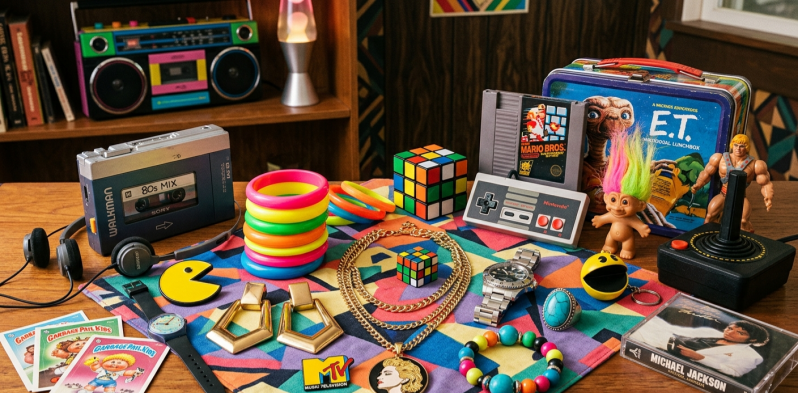
Exploring 1970s & 80s Jewellery, Toys, and Ornaments
The 1970s and 80s were vibrant decades that brought a unique flair to jewellery, toys, and ornaments, reflecting the cultural shifts and trends of the time. In jewellery, bold designs featuring chunky beads, bright colours, and oversized earrings became popular. Materials like plastic and metal were often used, allowing for playful and innovative styles that captured the spirit of the era. Costume jewellery was particularly fashionable, with pieces often inspired by disco and pop culture icons.
When it comes to toys, the 1970s and 80s were a golden age of creativity and fun. Iconic toys like the Rubik's Cube, action figures from popular films and television shows, and board games like Monopoly and Trivial Pursuit dominated playtime. This era also saw the rise of video games, with classic consoles like the Atari 2600 paving the way for the gaming industry as we know it today. Collectively, these toys not only provided entertainment but also became treasured keepsakes for many, often evoking nostalgia for childhood adventures.
Ornaments from this period also showcased the distinctive styles of the time. From ceramic figurines to macramé plant hangers, home décor embraced a mix of whimsy and bold colours. Popular themes included nature, fantasy, and pop culture references, making these pieces both decorative and conversational. Many households proudly displayed these ornaments, which have since become collectibles, cherished for their unique designs and the memories they evoke.
In summary, the jewellery, toys, and ornaments of the 1970s and 80s not only reflect the trends of their time but also continue to influence modern design. They serve as reminders of a playful and innovative spirit, making them beloved by collectors and enthusiasts alike.